
Blog
Handcrafted Jewelry Care 101: How to Keep Your Artisan Pieces Beautiful for Decades

Jewelry is more than an adornment. It can hold a memory, mark a milestone, express your identity, or connect you to a person, place, or belief. When a piece is made by hand, its meaning is often reflected in every detail, from the balance of the setting to the character of the metal and gemstone.
With thoughtful care, your artisan jewelry can remain beautiful for decades. The right habits help protect its finish, structure, and gemstones while preserving the craftsmanship that makes handcrafted designs so distinctive. Whether you wear a cherished heirloom, a meaningful gift, or a piece of unique handcrafted jewelry from The Wandering Jewel, this guide will help you care for it with confidence.
Understand What Makes Handcrafted Jewelry Different
Artisan jewelry may feature hand-finished metalwork, unusual settings, natural gemstones, delicate chains, engraved details, or custom elements. These features give each piece its individuality, but they may also require more considered care than mass-produced jewelry.
Before diving into a cleaning routine, identify the following:
- The metal: Common options include sterling silver, 14K or 18K gold, gold-plated materials, and mixed-metal designs.
- The gemstone: Diamonds, sapphires, pearls, jade, opals, and turquoise each respond differently to moisture, heat, and chemicals.
- The construction: Note whether stones are secured with prongs, bezels, or adhesive, and whether the piece includes delicate chains, textile, leather, or stringing.
- The maker’s instructions: These should always take priority because they are tailored to the exact materials and construction of your jewelry.
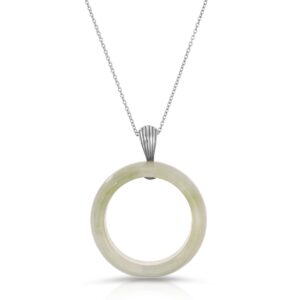
The necklace collection at The Wandering Jewel, for example, includes sterling silver and solid gold pieces with gemstones such as jade, pearl, sapphire, and diamond. Each material benefits from a slightly different approach.
Build Good Everyday Habits
The most effective jewelry care is often preventative. Small decisions made each day can reduce tarnish, scratching, loosening, and accidental breakage.
Follow the “last on, first off” rule
Put jewelry on after applying perfume, hairspray, cosmetics, sunscreen, and body lotion. Remove it before changing clothes or beginning your evening skincare routine.
This simple order limits exposure to ingredients that can dull metal, irritate delicate stones, or leave a film on polished surfaces.
Remove jewelry before exposure to moisture and chemicals
Take off your pieces before:
- Showering or bathing
- Swimming in a pool or the ocean
- Exercising or performing strenuous work
- Cleaning with household products
- Applying hair products or fragrance
- Sleeping, particularly when wearing fine chains or intricate settings
Water itself is not always harmful, but repeated moisture can accelerate tarnish, weaken stringing, and affect glued components. Chlorine, salt, bleach, and other chemicals can be considerably more damaging.
Wipe each piece after wearing
After removing your jewelry, gently wipe it with a soft, lint-free cloth. This removes oils, perspiration, and light residue before they accumulate.
For pieces worn frequently, this brief habit can make a noticeable difference to their long-term appearance.
How to Clean Handcrafted Jewelry Safely
A conservative cleaning method is usually the safest option for solid gold, sterling silver, and durable gemstones. However, you should always consider the individual piece before submerging it.
A gentle cleaning routine
-
Prepare a mild solution.
Combine lukewarm water with a few drops of mild, fragrance-free dish soap. Avoid hot water, which can stress some gemstones and settings. -
Inspect the piece first.
Look for loose stones, bent prongs, damaged clasps, or stretched links. Do not clean a visibly compromised piece at home. -
Clean gently.
Use your fingers, a soft cloth, or an exceptionally soft brush to remove dirt from accessible areas. Avoid forceful brushing around delicate settings. -
Rinse carefully.
Rinse with clean water over a bowl rather than directly over an open sink. A drain stopper is an additional sensible precaution. -
Dry completely.
Pat the piece with a soft cloth and allow it to air-dry fully before storage. Moisture trapped beneath a setting or inside a clasp can contribute to tarnish and deterioration. -
Polish selectively.
A jewelry polishing cloth may be suitable for some gold and sterling silver pieces. Use light pressure and avoid polishing textured, oxidized, plated, or intentionally antiqued finishes unless the maker recommends it.
Avoid abrasive or harsh cleaning methods
Do not use toothpaste, baking soda, bleach, abrasive powders, or strong household chemicals. These can scratch metal, wear away plating, or damage gemstones.
Ultrasonic and steam cleaners should also be used with caution. They may be unsuitable for treated stones, fractured gems, pearls, opals, emeralds, glued settings, or intricate handcrafted designs. When in doubt, consult a qualified jeweler first.
Store Your Pieces to Prevent Damage
Proper storage protects against three common problems: scratches, tangles, and humidity-related tarnish.
Choose a cool, dry, dark location away from bathrooms, windows, and direct sunlight. Then separate each piece using:
- Soft-lined compartments
- Individual fabric pouches
- Necklace hooks or flat necklace cases
- Ring rolls for bands and gemstone rings
- Earring cards or small dedicated compartments
Keep sterling silver in an airtight bag or tarnish-resistant pouch, ideally with an anti-tarnish strip. Gold-plated jewelry should be stored separately so friction does not gradually wear the surface.
Necklaces are particularly vulnerable to tangling and chain stress. Fasten the clasp before storing each one, and avoid placing several chains together in a single compartment. Heavy beaded or strung pieces are generally better stored flat rather than hanging.
Match Your Care Routine to the Gemstone
A gemstone’s hardness does not tell the entire story. Some stones are relatively hard but contain natural inclusions or treatments that make them vulnerable to heat, impact, or vibration.
Diamonds, rubies, and sapphires
These stones are durable for everyday wear, but they are not indestructible. Clean them with lukewarm water, mild soap, and a soft brush when the setting is secure.
Avoid sharp impacts, especially along edges or pointed cuts. Professional ultrasonic cleaning may be appropriate in some cases, but only after a jeweler has confirmed that the stone and setting can tolerate it.
Emeralds, aquamarine, and topaz
Use a gentle soap-and-water method only when the piece is in sound condition. Avoid sudden temperature changes and harsh chemicals.
Emeralds may contain inclusions or have been treated, making ultrasonic and steam cleaning unsuitable. A professional should assess them before any intensive cleaning.
Jade and tanzanite
Clean these gemstones with a soft, damp cloth or a very mild soap solution. Avoid prolonged soaking, heat, abrasive materials, and ultrasonic cleaners.
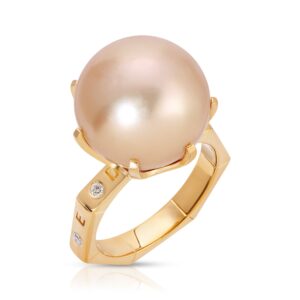
The rings collection includes designs featuring gemstones and detailed settings that deserve particular attention around their edges and structural joins.
Pearls, opals, and turquoise
These are more porous or delicate and should not be submerged. Wipe them with a soft, dry or slightly damp cloth after wearing.
Keep them away from:
- Perfume and hairspray
- Alcohol-based products
- Chlorine and salt water
- Abrasive cloths
- Prolonged heat or very dry conditions
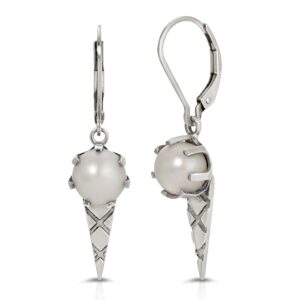
Pearls are best stored separately because harder gemstones and metal components can scratch their surface. If you wear pearl earrings, pendants, or rings regularly, rotate them with other pieces to reduce exposure to cosmetics and perspiration.
Know When to See a Jeweler
Home care is appropriate for routine maintenance, but a professional inspection can prevent a minor issue from becoming a costly repair.
Arrange an evaluation if you notice:
- A gemstone moving, clicking, or sitting unevenly
- A bent, thinning, or weakened prong
- A loose clasp or stretched chain
- A crack, chip, or sudden change in a gemstone
- Broken or fraying stringing
- Peeling or significantly worn plating
- A ring that no longer fits securely
- A handmade design that has been bent or distorted
For valuable or frequently worn pieces, consider a professional inspection approximately once a year. Daily-wear rings and necklaces may need attention more often, particularly if they are exposed to repeated impact.
A jeweler can clean the piece appropriately, check settings and solder joints, repair clasps, resize rings, replace worn stringing, and advise on restoration without compromising the original design.
Preserve the Beauty and Story of Your Artisan Pieces
Care does more than maintain shine. It protects the physical condition that supports a piece’s sentimental, artistic, and potential financial value.
Keep purchase records, gemstone information, appraisals, and maker’s notes in a secure place. Photograph important pieces periodically so you have a record of their condition. If a repair becomes necessary, choose a professional who understands fine jewelry and the character of handcrafted designs.
For pieces created specifically for you, retain sketches, correspondence, and material details whenever possible. These records become part of the piece’s story and can be meaningful for future generations.
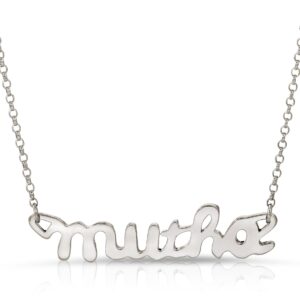
Your jewelry should be worn and enjoyed, not kept away out of fear. With thoughtful storage, gentle cleaning, gemstone-specific care, and timely professional attention, your favorite pieces can accompany you through many seasons of life.
Explore The Wandering Jewel’s earrings collection or browse our custom jewelry and design inspiration when you are ready to discover another meaningful piece to cherish.